Quality Social NetworkGlossary of houses
Indexalbergo diffusoazulejoboardwalkcabanacabincapsuleceremony hallentertainment centregalleriahaciendaiglookotaloungemenzehpatiopavilionsaunatokonoma

Part 03 of four  ·  6 entries

Art Hotels

These six houses were something else first, and the words they use come with the buildings rather than with the hotels. An alcove, a village, a garden pavilion, an estate, an inner court, a tiled panel: each word names a part of a plan that was drawn before anyone was booking rooms in it.

Balconies and columns around an open courtyard planted with palms.

Entry 09 / 18  ·  Art Hotels

tokonoma

Tawaraya RyokanKyoto, Japan
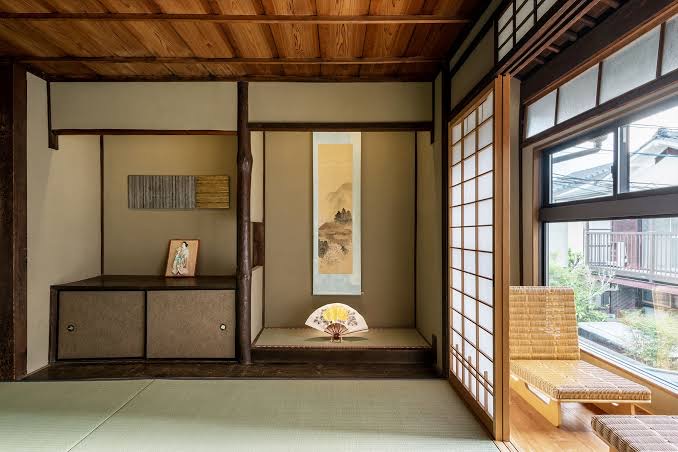
A tatami room with a shallow recessed alcove holding a scroll and a small vessel.

A tokonoma is a shallow recess in the wall of a Japanese room, raised slightly from the floor, with a post at one edge. One scroll hangs in it and one object stands below. Nothing is stored there and nobody sits in it. The recess exists so that a small number of things can be looked at.

What it names here

In this inn every guest room has one, and what stands in it is changed: a hanging scroll, a ceramic piece, an arrangement of flowers, chosen for the season and the day. The rooms are laid with tatami and closed with paper doors, and each has a name and a garden of its own.

Where the word comes from

The word is Japanese and is the ordinary term for the alcove in a formal room. It is used in writing about this inn and about ryokan generally, and it names a fixed part of the room rather than a style of decorating one.

How the house uses it

Because the alcove is the one place in the room meant to be looked at, the rest is kept clear: bedding is brought out and put away, the table is low and movable, and the doors slide back onto the garden.

Section
Art Hotels
House
Tawaraya Ryokan
Where
Kyoto, Japan
Noted
February 2029
Worth asking first

Ask by letter about house customs at booking, since rooms here are arranged through introduction and correspondence.
Entry 10 / 18  ·  Art Hotels

albergo diffuso

Sextantio Albergo DiffusoSanto Stefano di Sessanio, Italy

A narrow stone lane in a hill village with shuttered windows and low doorways.

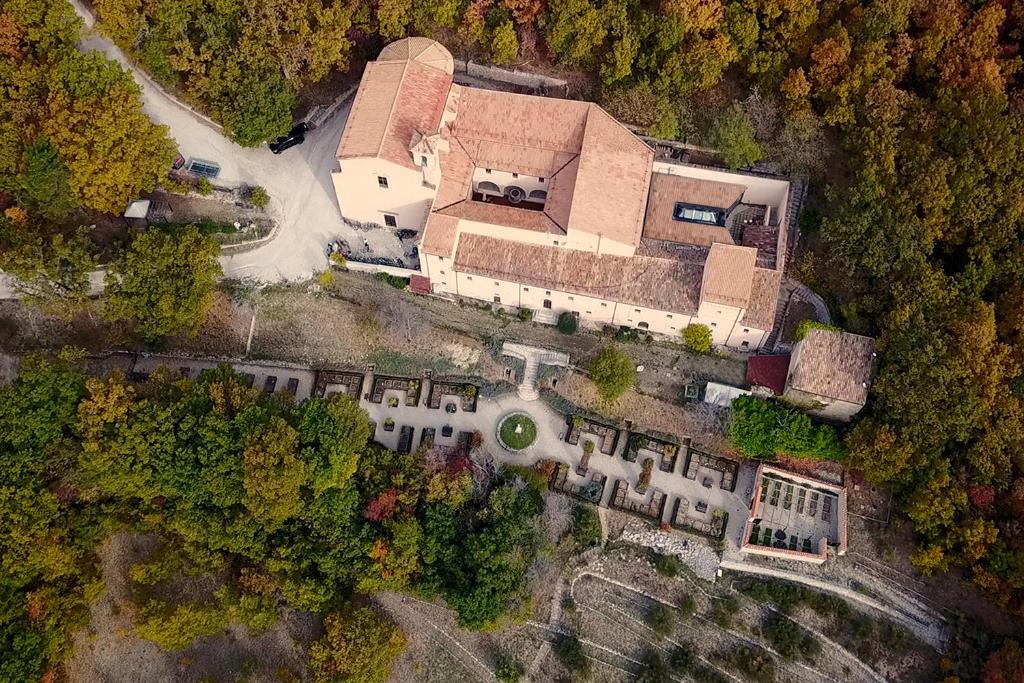
An albergo diffuso is a hotel whose rooms are not under one roof. They are set in existing houses along the streets of a village, and the reception, the dining room and the rooms may all be in different buildings. Guests walk outside between the parts of the hotel, through the village itself.

What it names here

This is that arrangement in a stone village in the Abruzzo mountains: rooms restored in village houses, reached from the lanes. The operator runs a separate property under the same name elsewhere in Italy, at a different address, and the two are not the same house. This entry is about the village one.

Where the word comes from

The term was coined in Italy and is used in Italian law and tourism policy for hotels organised this way, usually in villages that were emptying. It describes a legal and practical form rather than a decorating style.

How the house uses it

Because the rooms sit in old houses, each one keeps the shape it had: different floors, different windows, different stairs. Keys, breakfast and staff are coordinated across the lanes, and the village street does the work a corridor would do.

Section
Art Hotels
House
Sextantio Albergo Diffuso
Where
Santo Stefano di Sessanio, Italy
Noted
February 2029
Worth asking first

Ask when writing how far your room stands from reception, as the lanes are steep and paved in stone.

Entry 11 / 18  ·  Art Hotels

menzeh

La MamouniaMarrakech, Morocco

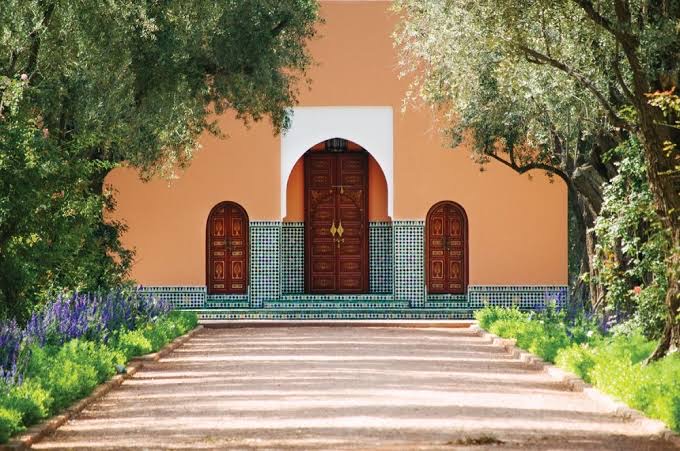
A small garden pavilion among orange trees at the end of a wide gravel walk.

A menzeh is a garden pavilion: a small open building put in a park so that people can sit in it and look out. It is not a house and not a shelter from anything serious. It is placed where the view is, and the garden is arranged so that walking leads to it.

What it names here

At this hotel the menzeh stands in the park among the orange and lemon trees, at the end of a planted walk, with terraces around it. The hotel runs it as one of its two tea rooms. The main house sits apart from it, and reaching the pavilion means crossing the garden.

Where the word comes from

The word comes from Arabic and is used in Morocco for a belvedere or garden pavilion. The hotel uses it as the pavilion's own name in its material, and that is where this page takes it from, rather than from any other reading.

How the house uses it

The pavilion works as a destination inside the property: the paths converge on it, tea is served there, and the vegetable and herb ground lies beyond it further along the same alley. Its terraces put the seating out under the trees.

Section
Art Hotels
House
La Mamounia
Where
Marrakech, Morocco
Noted
February 2029
Worth asking first

Ask ahead whether the tea room in the garden keeps different hours from the one inside the house.

Entry 12 / 18  ·  Art Hotels

hacienda

Hacienda UayamónCampeche, Mexico

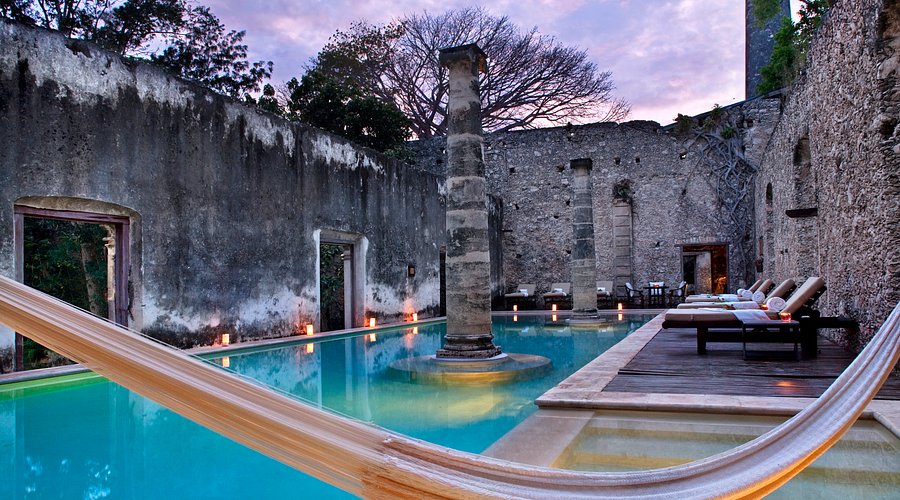
Roofless stone walls and columns of an old estate building with trees growing through.

A hacienda is an estate: not a single house but a working group of buildings, with a main house at the centre and the machinery, chapel, stores and workers' housing arranged around it. The word names the whole arrangement, including the land, and it survives on properties long after the work has stopped.

What it names here

Here the estate is the hotel. The main house, the chapel, the arcades and the machine house stand on the grounds, some restored and some kept as ruins. The estate ran cattle and later henequen fibre, fell out of use, and was taken on as a hotel with the ruins left standing where they were.

Where the word comes from

Hacienda is Spanish, from a word for what is to be done, and it came to mean an estate and the property in it. In the Yucatán peninsula it is the standard word for estates of this kind and for the hotels now in them.

How the house uses it

The plan still governs the property: guests move between separate buildings rather than along corridors, the chapel stands roofless with its walls open to the sky, and the old machine house holds the pool inside its own stone walls and columns.

Section
Art Hotels
House
Hacienda Uayamón
Where
Campeche, Mexico
Noted
February 2029
Worth asking first

Ask by letter which buildings are lit after dark if you would rather not cross the grounds unlit.

Entry 13 / 18  ·  Art Hotels

patio

Casa GangotenaQuito, Ecuador

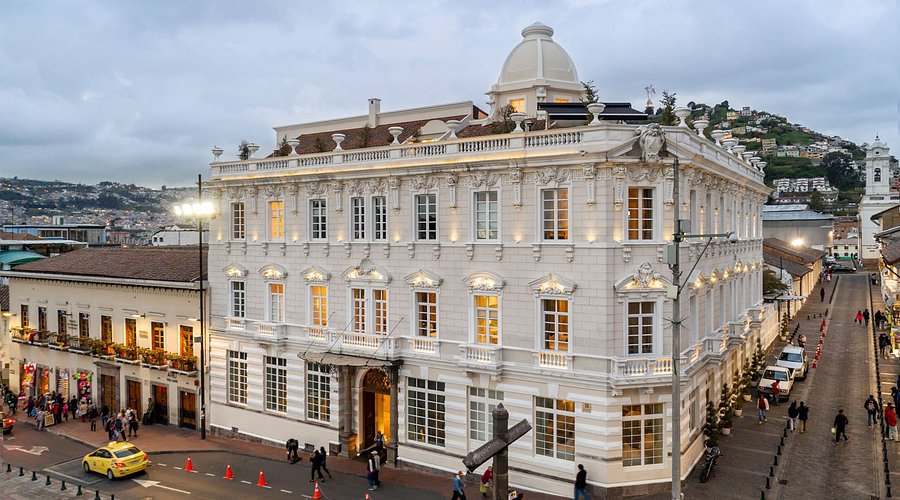
A glazed interior courtyard with palms, a stone fountain and balconies above.

A patio is the open court inside a house, with the building wrapped around it. Rooms face it, stairs start from it, and light and air reach the interior through it rather than through the outside wall. In a town house on a square it is the only piece of sky the plan gives you.

What it names here

In this mansion the patio is the middle of the house: the plan wraps around it, and it is planted, with a fountain kept from the older building. The house faces a large square on one side, and the court gives the rooms behind that front an open side of their own.

Where the word comes from

Patio is Spanish and passed into English with the sense of a paved outdoor space beside a house, which is narrower than the original. In Spanish it keeps the architectural meaning used here, the open court that a house is built around.

How the house uses it

Because the court is the centre of the plan, circulation runs through it. The house was rebuilt after a fire in an Italianate manner, with columns and painted ceilings, and the court itself holds seating and planting under the surrounding storeys.

Section
Art Hotels
House
Casa Gangotena
Where
Quito, Ecuador
Noted
February 2029
Worth asking first

Ask ahead which rooms face the square and which face the court if street noise matters to you.

Entry 14 / 18  ·  Art Hotels

azulejo

Palacio RamalheteLisbon, Portugal

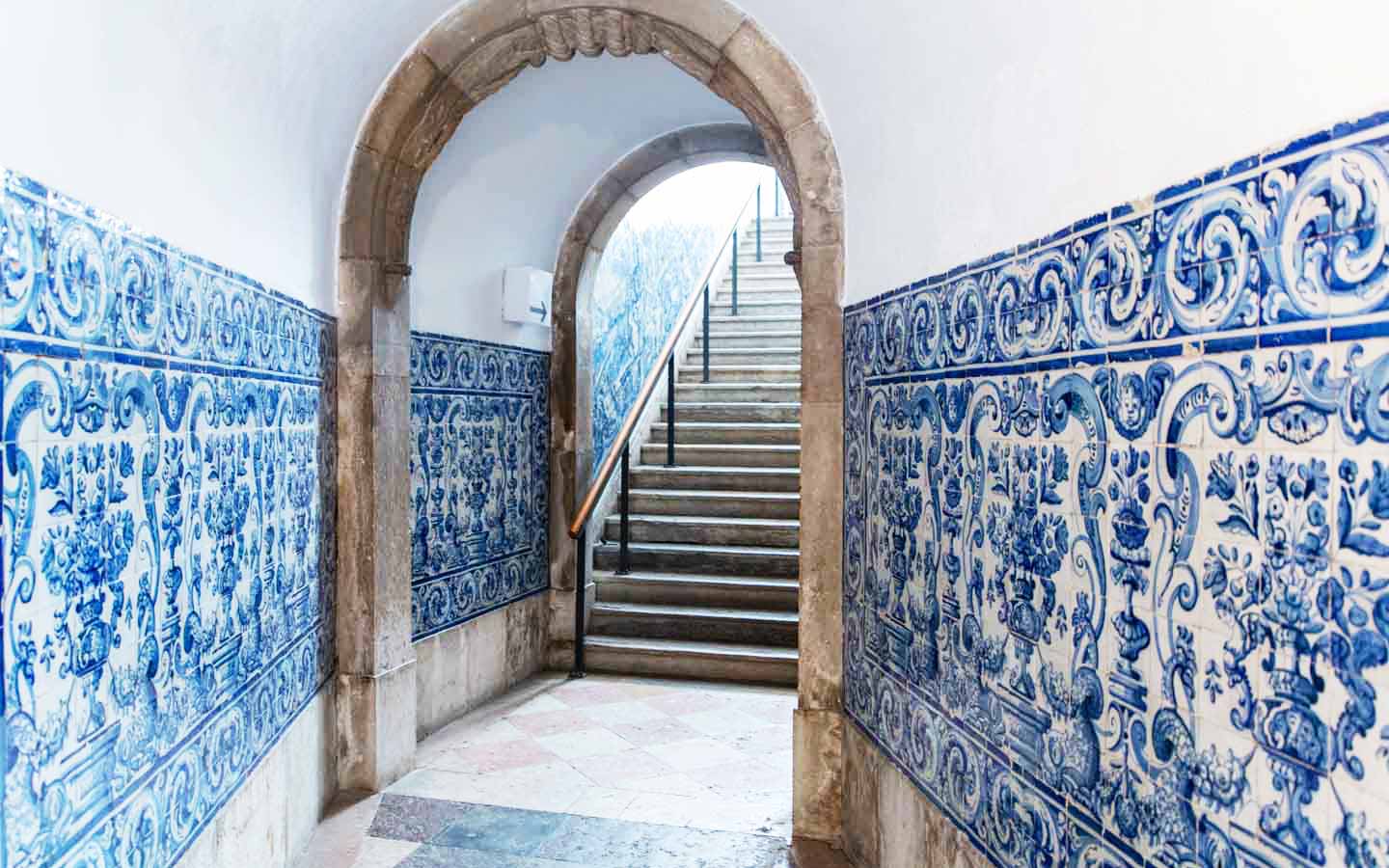
Blue and white glazed wall tiles forming a panel next to a stone staircase.

An azulejo is a glazed ceramic tile, and the word is used for the panels these tiles make when they are set together across a wall. The panel is part of the building, not a picture hung on it: it is laid into plaster and it turns a wall into a hard, washable, patterned surface.

What it names here

In this house the panels are set through the rooms and the stairs. One panel at the foot of a stairway shows a bunch of flowers, and the house takes its name from it. The building is an eighteenth-century palace, and the tiled surfaces belong to that fabric rather than to the hotel fit-out.

Where the word comes from

Azulejo is Portuguese, and dictionaries take it from an Arabic word for a small polished stone rather than from the word for blue, which the sound suggests. In Portugal it is the everyday word for wall tiling of this kind.

How the house uses it

Tile decides how the rooms feel: the panels run to the height they were laid at, the plaster and stucco carry on above them, and the rooms below the courtyard level keep the cool that a tiled surface holds.

Section
Art Hotels
House
Palacio Ramalhete
Where
Lisbon, Portugal
Noted
February 2029
Worth asking first

Ask when writing which rooms open onto the courtyard, as the house is arranged around more than one.

About this site

This is an independent reference site. The words on it, and what they are said to name, are set down from open published sources, and the same word is used differently in other houses and other places. Snow and ice buildings change from one season to the next. The site is connected to no hotel, sells nothing, books nothing, and everything here should be checked with the house itself.